After a busy workday and a few successful online bets on 22Bet login, read about what you need to consider when betting on dog racing.
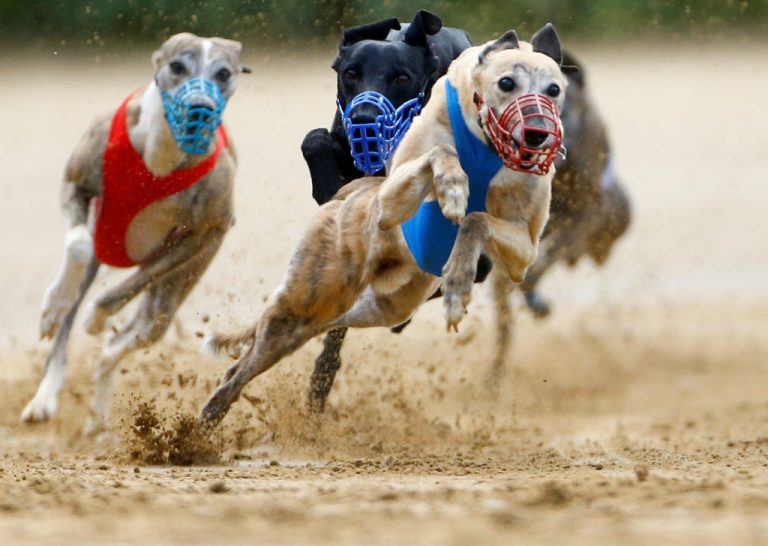
Greyhound racing is an exciting sport popular in many countries, attracting those who enjoy placing bets. However, success in betting on greyhound races requires an understanding of numerous factors that can influence the outcome. Let’s examine the key aspects to consider.
1. Dog’s Form and Physical Condition
One of the most critical factors is the physical condition of the greyhound. Analyze recent performances, results, and training participation. Pay attention to:
- Last five races: How often did the dog finish among the leaders?
- Race times: How consistent are its results?
- Injuries: Recent injuries can significantly lower the chances of success.
2. Age and Experience of the Dog
Young dogs may have impressive speed but often lack consistency. Older, more experienced dogs usually have a better understanding of the track and often deliver stable performances. Consider age-related factors:
- Young dogs (under 2 years): Potentially fast but inconsistent.
- Experienced dogs (3-5 years): Typically at their peak performance.
- Older dogs: May be slower but can compensate with experience.
3. Track Quality and Weather Conditions
Track conditions play a significant role in greyhound racing:
- Weather: Rain, heat, or cold can affect dogs differently. For example, a wet track might be challenging for those uncomfortable on slippery surfaces.
- Surface type: Gravel, sand, or artificial surfaces—each dog has its preferences. Check where the dog performs best.
- Track length: Some dogs excel at short distances, while others perform better over long ones.
4. Starting Position
The starting position can greatly influence the race outcome. Depending on their running style, dogs may prefer starting on the inside or outside. For instance:
- Fast starters: Benefit from central positions.
- Dogs that prefer the outer lane: Can avoid congestion at the start.
5. Trainer and Owner
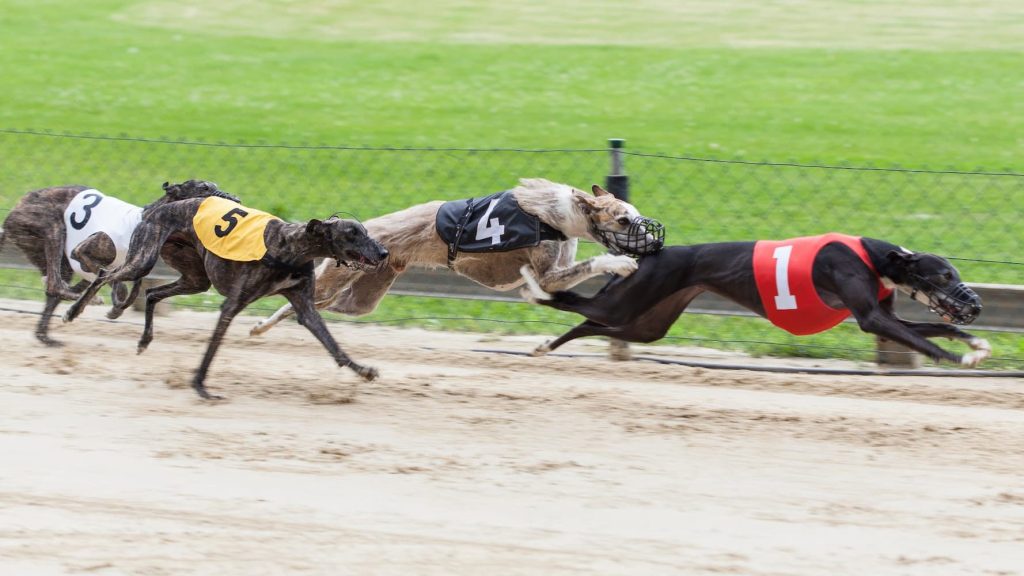
The quality of a dog’s preparation depends on the trainer’s expertise. Trainers with strong reputations often produce dogs with consistent results. Additionally, the motivation and professionalism of the owner play a role.
6. Rival History
It’s crucial to consider not just your dog’s stats but also the competition. If the race includes clear favorites, it might reduce the chances of less experienced dogs. Evaluate:
- Past performances against these rivals.
- Competition level: Are there strong newcomers or seasoned veterans in the race?
7. Betting Trends
Sometimes, observing other bettors’ choices can be insightful. If many people are betting on a specific dog, it might have hidden advantages that aren’t immediately obvious.
8. Race Type
Greyhound races come in various formats, such as sprints, marathons, or hurdle races. The type of race affects which dogs are most suited, as not all excel across different formats.
Tips for Successful Betting
- Analyze the data: Study the stats and past performances.
- Avoid random bets: Consider factors that influence the result.
- Check the odds: High odds might indicate an undervalued dog, but this doesn’t guarantee victory.
- Stay informed: Updates on injuries, weather changes, or participant replacements can give you an edge.
Conclusion
Betting on greyhound races requires attention to detail and thorough analysis. Consider the dogs’ physical form, track conditions, starting positions, and competition level. The more factors you evaluate, the better your chances of success. Remember, there’s always an element of luck in this sport, so never bet more than you’re prepared to lose.
About the Author